Desks
Desks
A desk is the one piece of the setup everything else hangs off. Get the height range right and the chair, monitor and keyboard all fall into place. Get it wrong and you spend three years compensating.
Best Standing Desk
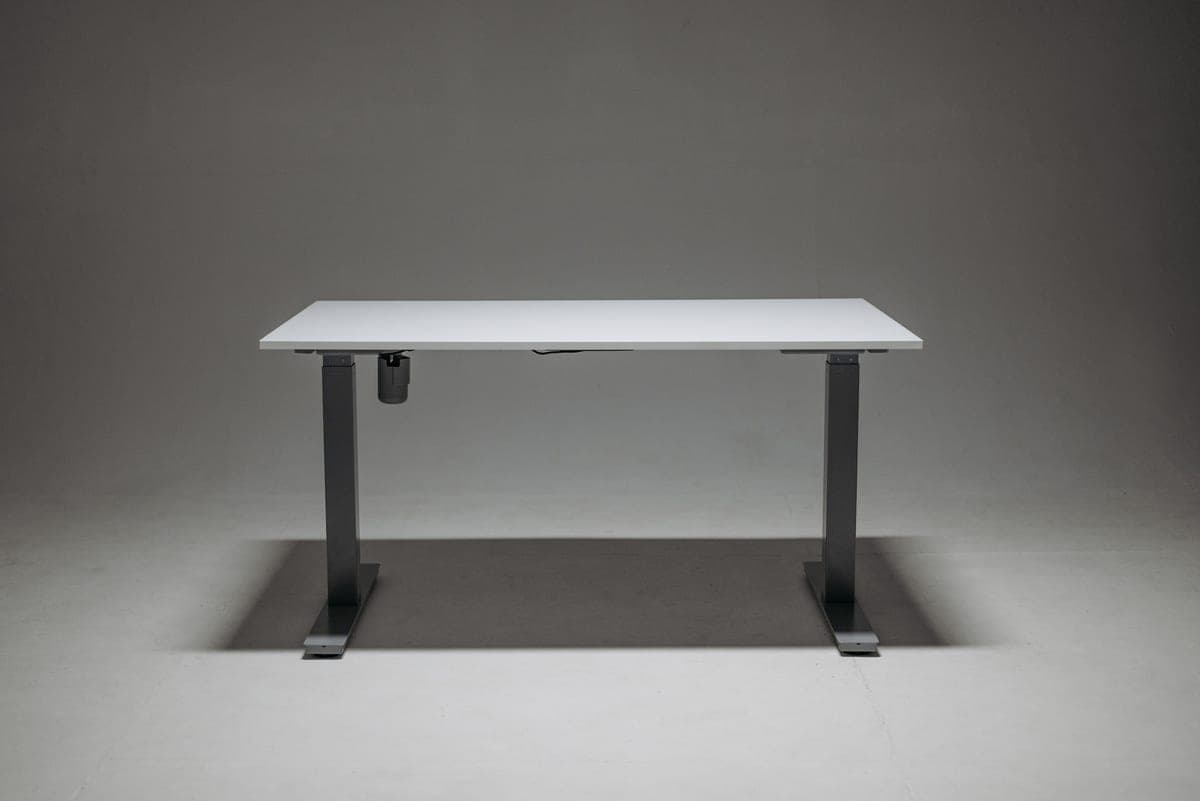
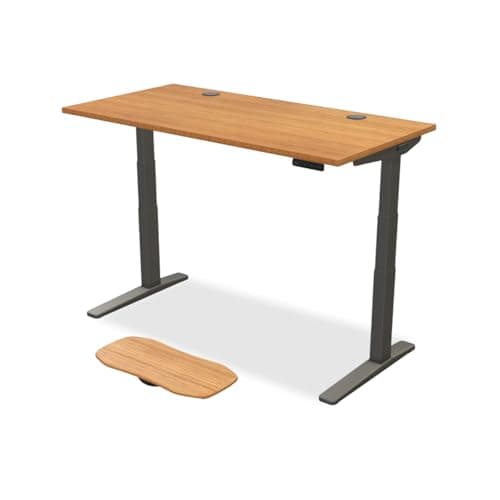
The best standing desk for a home office
Four desks, ranked on the floor height, the weight ceiling and the warranty — the specs that decide fit and lifespan.
Top pick: UPLIFT V3 (2-Leg)
Best Home Office Desk
The best home office desks
Four desks on published height range, capacity and warranty — plus the arithmetic for why the ordinary 29-inch desk is too tall for the median adult.
Top pick: UPLIFT V3 (2-Leg)
Best Converter
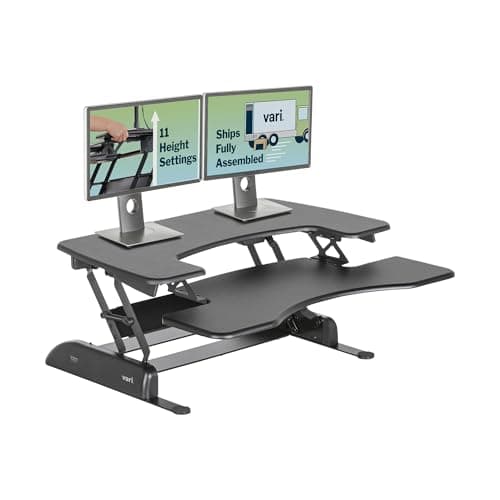
The best standing desk converters
A roundup of one, honestly. Plus the name shared by two different products — where the difference is 'lifetime' versus five years.
Top pick: Vari VariDesk Pro Plus 36 (manual)
Guide
L-shaped desks
No rankings, honestly — nobody in this category publishes a spec sheet. What the corner geometry actually costs you, and what we'd buy instead.
Best Desk With Drawers
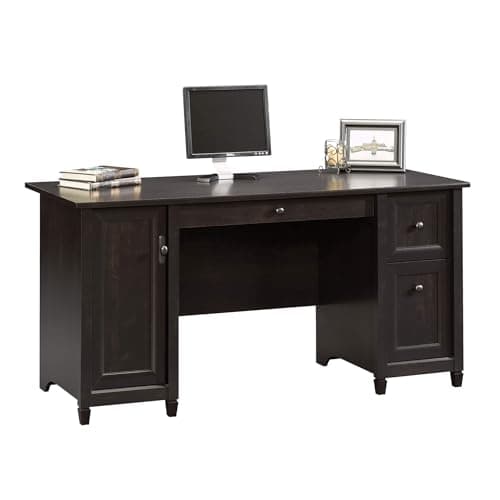
The best home office desks with drawers
Four desks with real filing drawers, ranked on published height and warranty — plus the trade you make: no height adjustment, and two to five years of cover instead of ten to lifetime.
Top pick: Sauder Edge Water Computer Desk
$282.06Amazon$344.99 −18%
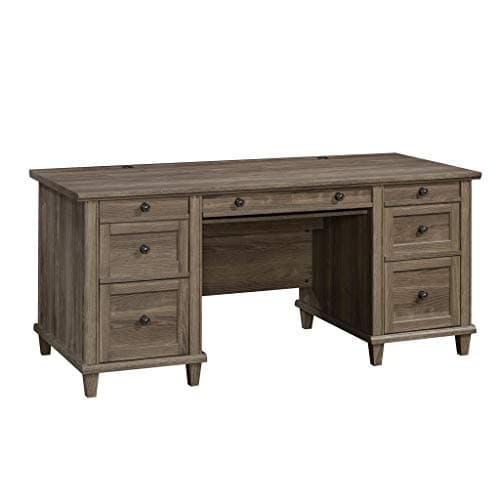
Best Executive Desk
The best executive desks for a home office
Four large home-office desks ranked on published surface, filing and warranty — including the finding no listing prints: two desks in the same Heritage Hill collection, one made in the USA with five years of cover, one in Vietnam with two.
Top pick: Sauder Hammond Executive Double Pedestal Desk
Compared
Standing desk vs sitting
What Cochrane and the BJSM expert statement actually found — and why the famous 20-8-2 rule was never published where everyone says it was.
Compared
Standing desk vs converter
35 lb against 200-355 lb, and a converter that only travels upward — so your seated height stays exactly as wrong as it was.
Guide
How long should you stand at a standing desk?
20-8-2 is real but widely mis-attributed, and no source compares ratios head-to-head. What Cornell, the BJSM statement and Cochrane actually say.
Guide
What size desk do you need?
Depth is set by viewing distance, width by what actually goes on the desk. The published numbers for each, and why a monitor arm buys back depth.

Best Anti-Fatigue Mat
The best anti-fatigue mats for a standing desk
Five anti-fatigue mats ranked on published thickness, footprint and warranty — including the one mat here that isn't just a flat foam slab, and the two brands that won't put a warranty term in writing.
Top pick: Topo Standing Desk Mat by Ergodriven
Compared
Standing desk vs walking pad
Why a walking pad can't replace a standing desk — it needs one underneath it — and what the separate research on standing versus walking at a desk actually measured.
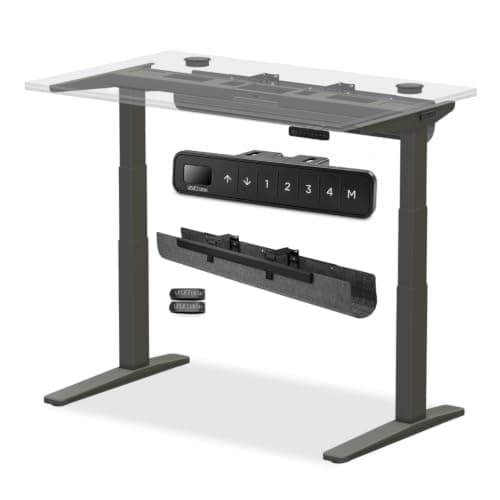
Best Standing Desk Frame
The best standing desk frames for a DIY desktop
Five frame-only standing desk bases, ranked on published floor height, weight capacity and warranty — the numbers that decide fit and lifespan before you've even picked a top.
Top pick: UPLIFT V3 2-Leg Standing Desk Frame (C-Frame, No Desktop)
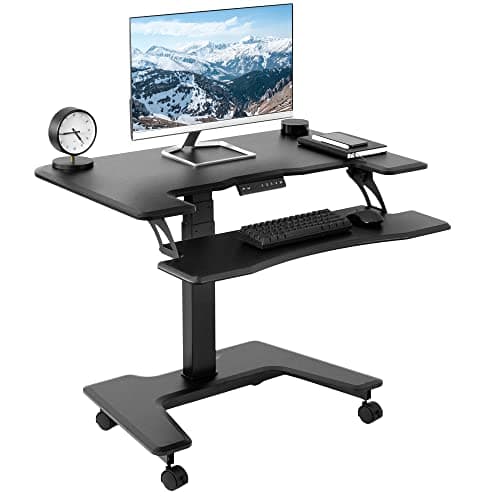
Best Small-Space Desk
The best desks for small spaces
Five compact desks ranked on published width, depth and warranty - and why the narrowest desk here is the one we'd buy last, because of what its shallow depth costs you.
Top pick: VIVO 36″ Electric Mobile Compact Desk (DESK-V111VT)
Guide
How do you fix a wobbly standing desk?
Wobble grows with height because a taller desktop is a longer lever arm. What to check first, the fixes that actually hold, and how to tell a loose-bolt problem from a frame that was never going to be stable at standing height.
Guide
How high should a standing desk be?
The standing number is your elbow height, not your body height and not the desk's maximum — and the monitor has to rise with it. How to measure and set both.
Guide
How to set up a standing desk, in order
The first-day, order-of-operations setup for a sit-stand desk: two heights to your elbows, a monitor that doesn’t ride up with the surface, slack in the cables, saved presets, and a sit-stand rhythm the evidence says will fade.
Guide
How much does a standing desk cost?
Where the money actually goes in a sit-stand desk — stages, motors, capacity, warranty and top — read as entry-level, mid-range and premium, with the honest cheapest way in.
Compared
Corner desk vs L-shaped desk
One is a single surface for a corner; the other is two runs that want a wall on each side. Which footprint fits your room, and why a standing version is almost always the L.
Compared
Electric vs manual standing desks
A motor buys effortless, two-second changes and presets; a crank has less to break and costs less. It comes down to how often you switch.
Guide
How to choose a home office desk
A plain-English order for the six real decisions — size, height, shape, top, storage, budget — that route you to the right roundup.
Guide
How much weight can a standing desk hold?
Ratings run roughly 200 to 355 lb, but placement and overhang limit you long before the number does. How to read it honestly.
Compared
Solid wood vs laminate desk tops
Laminate isn't the cheap option and wood isn't always better. Durability, weight, refinishing and feel as real trade-offs.
Guide
How to level a desk on an uneven floor
Rocking on an uneven floor isn't frame wobble. Find the short leg, adjust the glides, and shim what's left.
Guide
Can you use a dining table as a desk?
When a dining or kitchen table makes a fine desk and when it quietly wrecks your posture — the four checks: height, depth, knee clearance, and clamp durability.
Compared
Glass vs solid wood desk tops
Glass looks airy, wipes clean, and shows every fingerprint; solid wood is warm and clamp-friendly but heavy and needs care. Feature by feature, honestly.
Guide
How to protect a desk from scratches
The three things that actually scratch a desk and the cheap fixes for each — desk pads, felt feet, padded clamps — plus care notes for wood, glass, and laminate.
Guide
Do you need a desk with a keyboard tray?
A keyboard tray fixes a too-tall desk and neutral-wrist posture — but costs legroom. When a tray helps, when a correctly-set desk beats it, and when a sit-stand desk is the better fix.
Guide
How deep should a desk be?
Why depth is governed by viewing distance — enough room to sit the monitor about an arm's length back, with space for the keyboard and forearms — and how a monitor arm reclaims it.
Guide
How much should you spend on a desk?
A qualitative budget ladder for desks: what the entry, middle, and premium tiers each buy, and why the money matters most in the frame and warranty, not the finish.
Compared
L-shaped vs U-shaped desks
L gives you two work zones and fits most rooms; U adds a third zone but demands a large room and surrounds you. Feature by feature, honestly.
Compared
Writing desk vs computer desk
A writing desk is elegant and shallow with no cable management; a computer desk is deeper with grommets and tray options. How to choose, and how to make a writing desk work for a screen.
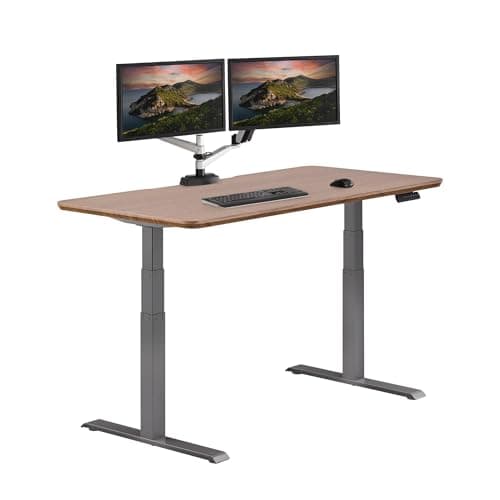
Best for Tall Users
The best standing desks for tall people
Four desks ranked on the top of the range, not the floor — the maximum surface height, the weight ceiling and the warranty. The tallest reaches 50.5", and even that is borderline for the very tall.
Top pick: Vari Classic Electric Standing Desk 60x30
Compared
UPLIFT vs Vari standing desk
355 lb against 200, a 21.6" frame against a 25" finished surface, and fifteen years against lifetime — plus the reason those two height figures are not measured the same way.
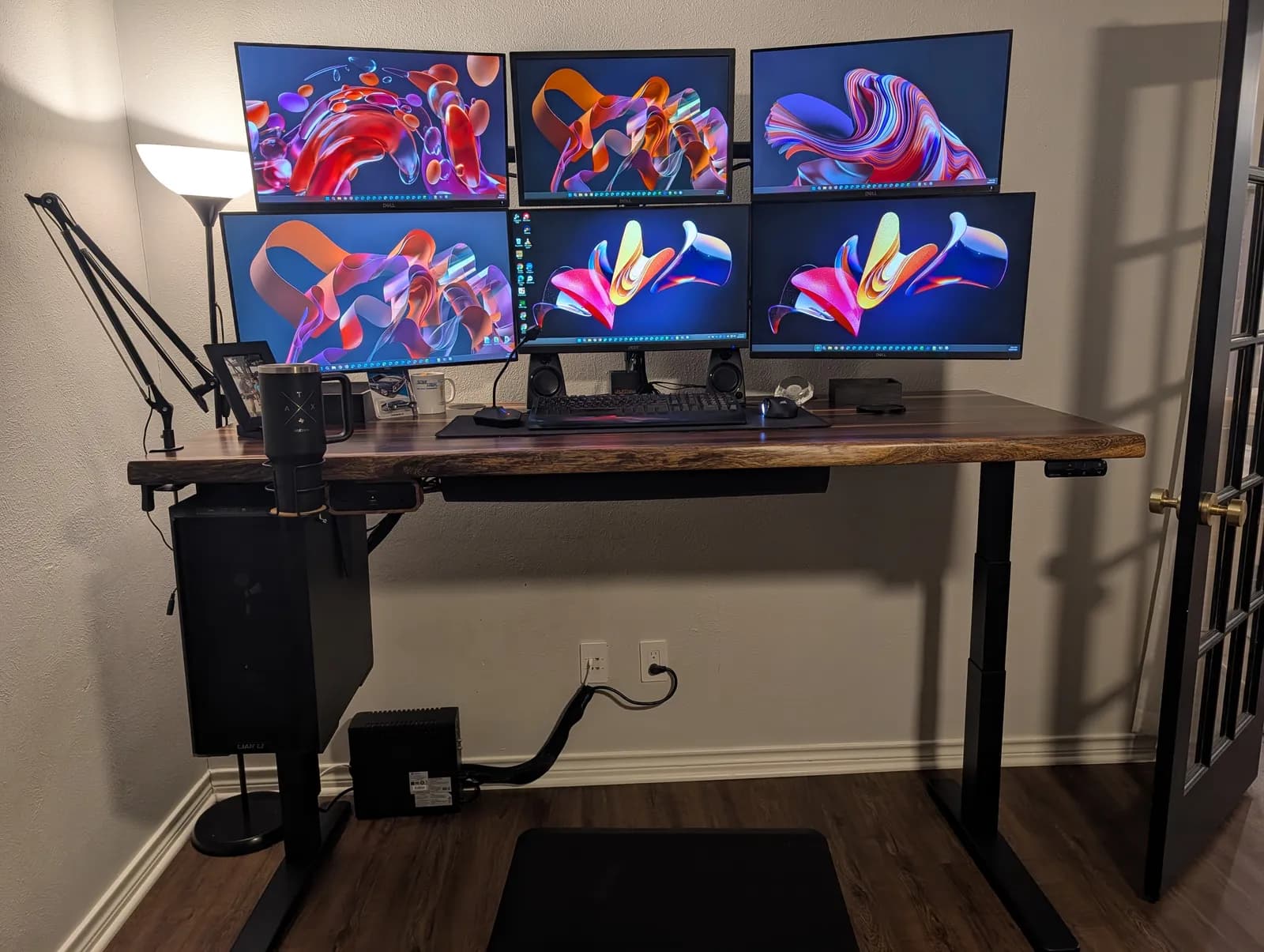
Hands-on review
UPLIFT V3 standing desk review: six monitors, a full tower and a solid Pheasantwood top
Two weeks of daily use on a V3 carrying a 1.75" solid-wood top, six monitors and a full tower. Our own photographs, the free sample disclosed, and no score — because we didn't measure one.
Compared
Curved vs straight desk
A curved front edge pulls the far corners within easier reach and softens the forearm edge; a straight desk is simpler, cheaper across the range, and pushes flush to a wall. How to choose, and who each shape is for.
Compared
Desk with a hutch vs without
A hutch adds shelving and keeps small items off the surface, but it eats headroom and can crowd a monitor arm, a light bar, and a taller screen. A clean top is more flexible and open. How to choose.
Guide
What is a desk grommet?
The lined hole and cap that cables pass through a desktop: what it does, common types, how to add one or skip the drill, and when a grommet is just a nicety.
Guide
How much desk space do you need for dual monitors?
Width for two screens plus a keyboard, and depth to keep both at arm's length with the tops at or below eye level (OSHA). Why a monitor arm is the biggest lever on a shallow desk, and who needs how much space.
Compared
Bamboo vs wood desk tops
Bamboo is a fast-growing grass sold as a hard, stable, uniform panel; solid wood has grain and can be refinished. How they compare on durability, feel, repairs, weight, and sustainability.
Guide
How to reset a standing desk
The generic hold-to-reset procedure, why presets drift or the desk stops short, and reading brand-specific error codes.
Guide
How to move a standing desk
Lower it, unplug it, and protect the motor. When to detach the top, and how to lift a two-motor frame safely.
Compared
MDF vs particleboard desk tops
Two engineered cores under the laminate: how MDF and particleboard differ on screw-holding, sag, moisture and weight.
Guide
How to make a desk taller
Leg risers, bun feet, a converter, or new legs: how to hit your elbow height without adding wobble.
Guide
How to connect two desks
Matching heights, closing the seam, and bracing the joint — plus when one L-shaped desk beats joining two.
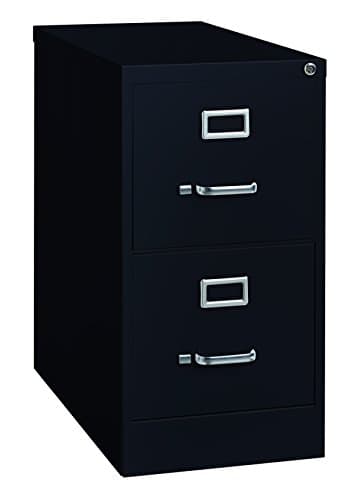
Best Filing Cabinet
The best filing cabinets for a home office
Five filing cabinets ranked on drawer extension, file sizes and published warranty — including the two that carry limited lifetime cover, and the wood lateral with no lock at all.
Top pick: Hirsh 25" Deep Commercial 2-Drawer Vertical File, Letter
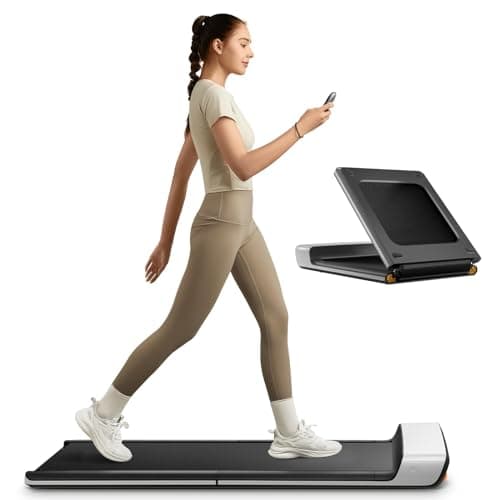
Best Walking Pad
The best under-desk walking pads
Four walking pads ranked on published deck height and weight capacity — the 400 lb outlier, the slimmest deck, the longest belt, and the cheap one that publishes no height at all.
Top pick: WalkingPad P1 Foldable Walking Pad Treadmill
$349.00Amazon$399.00 −13%
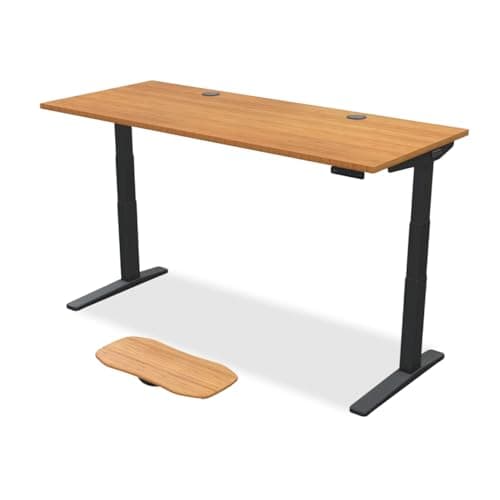
Best Desk for Dual Monitors
The best desks for dual monitors
Four desks ranked on published width, depth and top thickness for two screens on arms — 72 inches of edge, 31.5 inches of depth, and tops from 0.75 to 1.25 inches thick.
Top pick: UPLIFT V3 2-Leg Bamboo Standing Desk, 72 × 30
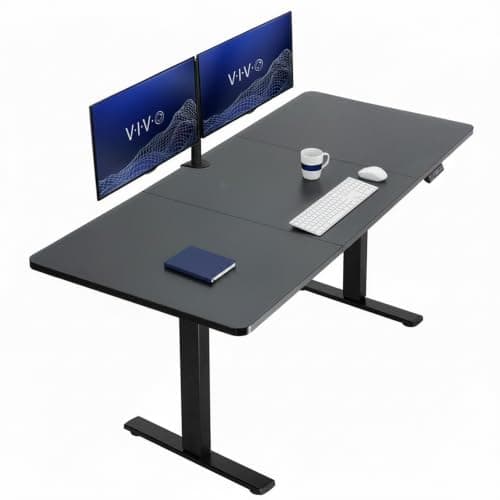
Best Standing Desk Under $500
The best standing desks under $500
Four ways to spend under $500 on sit-stand, ranked on published height range, capacity and warranty — two finished desks, two frames with no top, and a 7.6-inch difference in how low they go.
Top pick: VIVO 1B Series 71″ × 30″ Electric Desk
Compared
Standing desk frame vs complete desk
UPLIFT publishes identical specs for its V3 frame and its V3 complete desk, because they are the same machine. What actually differs: who sources the top, and whether the height figure you are reading includes one.
Guide
What desktop fits a standing desk frame?
Three frames publish a width adjustment, two publish a maximum desktop size, and none publishes a thickness limit. The four checks to run before you buy a top — and the UPLIFT foot-length trap.
Guide
How long do standing desks last?
Nobody publishes a cycle count or a duty rating for a standing desk. Warranties run 3 years to lifetime, three makers say five years in three different ways, and the parts that fail are the ones no figure covers.
What actually decides a desk
Not the top. Not the finish. The floor height— how low the thing goes.
Every standing desk on the market advertises how high it rises, because that is the feature you are paying for. Almost none of them lead with the bottom of the range, and that is the number that decides whether the desk fits you when you are sitting at it, which is most of the time. Across the four desks we ranked, the floor runs from 21.6″ to 29.2″. That is nearly eight inches of difference between desks that look identical in a photograph, and it is the difference between a desk that fits a 5′2″ person and one that never will.
Work out your own number first — it takes a minute with the desk height calculator — then strike out every desk that cannot reach it. For a lot of shorter buyers that removes most of the market before price is even a consideration.
How the category divides
Three things get called “desk” here and they are not interchangeable.
Fixed deskssit at roughly 29″ and do nothing. That is a problem, because 29″ is above the median adult’s correct seated height — our arithmetic from the ANSUR data puts the median man at about 26.6″ and the median woman at 24.4″. A fixed desk is not a neutral default; it is a compromise that happens to suit taller people. It is also the only way to get built-in storage, which is the trade we work through in the best desks with drawers — and, at the large end, in the best executive desks, where the pedestal of file drawers is the whole point. If the paper is the actual problem, the cheaper answer is to leave the desk alone and put the filing beside it: the best filing cabinets for a home office ranks five on whether the drawer fully extends and what the warranty actually says — which runs from five years to limited lifetime on cabinets from the same parent company.
Electric sit-stand desks solve that by moving. They are the real answer for most people, and they are what our guide to the best standing desk for a home office covers. The spread in quality is enormous and it shows up in two specs: the floor height and the warranty.
Converters sit on the desk you already own and lift your monitor and keyboard. They are a third of the price and they answer a question the expensive option cannot: will you actually use the standing half? A lot of people find out they will not. The honest comparison is here.
Two purchases ride on that same question. An anti-fatigue mat only earns its keep during the hours you actually stand, and a walking padis an addition to a standing desk rather than a replacement for one — it needs a desk that already reaches standing height to sit under. If you have one of those, the best under-desk walking pads ranks four of them on the two figures that decide it: how tall the deck is, because every inch comes off the top of your desk’s range, and the published weight capacity, which runs from 220 lb to 400 lb.
One more measurement decides a desk before the height range does, and only if you are running two screens: the width of the rear edge, and how thick the top is where a monitor arm has to clamp to it. The best desks for dual monitors ranks four on exactly that — 60″ to 72″ of surface, and published tops from 0.75″ to 1.25″, which is a two-thirds spread on desks that look identical in a photograph.
What the money buys
Mostly, the warranty — and the difference is wider than the price suggests. Across our roundup the coverage runs from three years to lifetime on desks that are separated by a few hundred dollars. This is a category where a motor failing at year four is the realistic failure mode, not a scratched top, so the warranty is not a bonus. It is the product. The clearest version of that trade is UPLIFT against Vari — two desks in the same bracket, fifteen years against lifetime, and 355 lb against 200.
The second thing it buys is documentation. UPLIFT publishes a real spec sheet with travel speed and a noise figure. Branch publishes no motor count, no stage count, no speed, and no BIFMA statement at all. Both are perfectly good desks; only one of them told you what you were buying.
The mistake people make
Buying on the top of the range. The tall end varies by about three inches across the whole category and nobody has trouble reaching it. Every meaningful difference is at the bottom, and that is the spec the listings bury.
The second mistake is forgetting that a desk which moves needs cable slack at every single cable. Roughly twenty inches of it. It is the most common day-two problem in the category and it is entirely predictable on day one.
What we can’t tell you
We have not stood at any of these. We cannot tell you how much a desk wobbles at full extension, how loud the motor really is at 7am, or whether the controller is delightful or maddening. Those need hands. Our methodologysets out exactly what reading spec sheets does and does not buy you — and for the subjective half, owner reviews will serve you better than we will.
Three more desk questions get their own pages: the bare standing desk frames if you would rather bring your own top, the compact desks for small spaces where depth matters as much as width, and — because it is the day-two complaint we hear most — how to fix a wobbly standing desk.
Two more desk pages answer budget questions directly: the best standing desks under $500, where the useful finding is that the cheap complete desks stop coming down at about 29 inches while the frames in the same budget go seven inches lower, and the best desks for two monitors, ranked on published width, depth and top thickness.